Eric Lentz-Gauthier

I’ve met lots of different folks out here in California. All kinds, from all over the world who’re doing the sorts of things they ain’t doing back where I come from. It’s why I love it out here in the wild west. You meet wild boys and wild girls chasing wild dreams; You start doing the same, or better yet, you find you’ve always been running down dreams.

Two-time aerobatic national champion Eric Lentz-Gauthier falls right in line. These days Eric’s living up in Northern California, having uprooted from Santa Cruz to live the rambling, hotel life and do all the traveling his sport involves. On a recent spring Monday I spoke with the mild-mannered, soft spoken, thirty-three year-old over the phone while he was driving to Sacramento to pick up building materials for his power plane, which he’s currently modifying.

Born and raised in Davis, California, Eric’s pursuit of flying began at the age of thirteen. The dream started long before that. “You know, the flying thing very much comes from the passion I had as a little kid,” Eric says. “Like a little kid; two, three, four years old, watching Top Gun everyday. I’d dream of flying to Mars!” His voice sounds almost joyful.
“That really shaped my aspirations as far as flying goes. My father was a transport pilot during Vietnam. I dunno how much nurture verses nature has to do with my career in flying. It’s hard to say.

What is aerobatics? it’s spinning in circles and flying fast towards the earth all while a heart shaped trail of white smoke spills out your tailpipe.

‘When I was in high school, I flew a training glider. It was limited in what it could do but it gave me great experience. It was kinda like driving an old Chevelle around a racetrack. I did that for about ten years. Then I had the opportunity to fly a glider. Going from the training glider to the glider was like going from the Chevelle to an F1! Those ten years, driving that Chevelle though, really helped me in the long run when I started flying aerobatics.”

Now, me, I’ve always romanticized the idea of being up in the air, above the clouds, looking down on the expansion of land with the freeness of a bird. But Eric’s views on flying are unique. “When it comes to actually flying,” Eric tells me, “I have kind of a different take than most people. I don’t fill it with the same kind of romanticism. Flying is a pretty isolating activity. There’s all these ideas of freedom attached to it, and I don’t feel that at all. I don’t have any of those sensations. I’m in this little pod. I’m cut off from the world.

“For the pilot who knows how to fly both glider and power planes,” Eric says, “there are two sides to the aerobatic experience. Power planes are are like race cars. You’re basically flying an engine with the smallest airplane possible wrapped around it. You’re crammed in this little cockpit, it smells like gasoline, there’s gas fumes everywhere, it’s hot, lots of vibrations, lots of noise. It’s not so pleasant. Gliding is a million times better. The glider is gorgeous. There’s nothing but air. There’s no loud motor or gas fumes. It’s like riding a car down a smooth highway.”

Summer is the season for aerobatic competition. In May Eric will be competing in Italy and later, in July, he’ll be in Poland for three more events, including the World Championships. “In the U.S.,” Eric tells me, “the sport is on a much smaller scale, with one of the main competitions taking place in Sherman, Texas.”

It’s then I realize just how small Eric’s sport actually is. I’ve been to Sherman before. It’s a one-horse town of about two thousand people. I used to go fishin’ down in the creeks with my buddies, way back when.

“There’s not a big following here in the U.S.,” Eric explains. “The U.S. is kinda like the Jamaican bobsled team. The big players are Poland, Germany, Hungary, Italy. It’s really cool to go over to Europe for the summer. You have a little more context. Over there, you feel like you’re part of something, whereas over here you have no context at all. You have to make it up for yourself.”

This will be Eric’s fourth time attending the world event. Last year he placed fifth, overall. “No American has ever won at the world events in the glider sport,” Eric says. “And I’m pretty sure I’m the first American to win an individual flight.”

The competition consists of a group of pilots who, one at a time, fly a sequence in what is called the competition box. They cannot during the flight go outside of the borders of this box which are made known to them by white markers down below. The pilots are given the sequence to fly upon arrival, whereafter the strategies and planning commence. “Experience is the most valuable asset in the sport. Especially when you don’t know your flight sequence until a day or two before,” Eric explains.

In preparing for the flight, the pilots walk through a mock sequence, using their hands as model substitutes for the plane. There’s much to gain from such a seemingly simple preparation method. “You’re trying to mimic the orientation you’re going to have while in flight. You’re visualizing and walking through the sequence. Watch people walk through these routines and you’ll see exactly what that flight will look like. It really helps,” Eric says. “The older guys, man, they’re good. They’re always so cool and calm. Their preparations are always so smooth. The way they run through the air with their hand is the same way they fly. It plays out just the way they planned. Younger guys are always overthinking it, aggressively going through their practice sequence, hands trembling. I really enjoy watching the older guys. You learn a lot.

“The real mental aspect of the sport takes place in the preparation. Once you’re up in the air, you really don’t have time to think. Up in the air I am trying to focus on what’s next.”

On the day of competition, the glider pilot is towed by a larger plane to a certain altitude near the competition box. The glider pilot unhooks the glider from the plane, and begins his flight sequence. Below, judges with a meticulous eye for detail tally up the score. Altogether, the flight lasts only fifteen minutes.

The night before my interview with him I made the mistake of watching videos of Eric in competition, and nearly puked after watching several minutes of discombobulated camera angles and the atmosphere being turned upside down. It looked equal parts exhilarating and terrifying.

“There is an element of danger,” Eric agrees, “but I don’t like to think about it. I’m really risk-averse. If I’m nervous I won’t get in a plane; I’m trying to keep it as safe as possible. For the most part, it is really safe. But that’s the way flying is, really safe until it’s not and then… somebody gets killed.”

When asked about the future, Eric tells me he dreams of taking the sport and technology of aerobatic aviation even further. The accolades and titles that come with winning competitions have opened doors for sponsorship and financial backing. These days he’s creating a personal, symbiotic relationship between Eric the plane designer and Eric the competitive flyer. As a child he had dreams of flying to Mars, and based on all he’s achieved so far, I have reason to believe Eric Lentz-Gauthier will one day be flying out, past the atmosphere, into that great spectacle of outer space, fulfilling another lifelong dream.

Over and Out.

Sofia Valdes

Emerging folk-singer/songwriter Sofía Valdés is the granddaughter of renowned Cuban singer/songwriter/Hollywood film performer, Miguelito Valdés, “El Babalou” and tamborera Silvia de Grasse. This summer, independent journalist Sara Harris skyped with Ms. Valdés from her family’s penthouse apartment in Panamá City with a view of the bahía over the City’s private marina, guitar in hand. This excerpt of their conversation in (English and Spanish) ranges from musings on artistic life as the daughter of an internationally renowned musical family to the sharp transition between the landscapes of Northwest Michigan -where Ms. Valdés studies, and Panamá City -where she was born and raised and spends her summers. At seventeen, Ms. Valdés is just coming into her own and has a distinctly fresh, honest, and open approach to her music.

SH: You write and sing in English mostly, but I get the sense that your personal influences come from experiences closer to home…

SV: I guess that here in Panamá, my influence comes from musicians, but mainly it comes from the people around me. Growing up in Central America, being a musician isn’t really something you would consider doing as a career. It’s more of a hobby, not like a job. You usually would not study to be a musician, but you’d study to be a doctor or a lawyer, or something like that. Growing up I was always told that I couldn’t be a singer who makes a living off of music or art. But that’s what I wanted to do. I was so mad people kept telling me that, so I began to study more and more, and that’s where my main drive and inspiration come from.

SH: But your songs are really uplifting and almost wistful. They don’t feel like they are addressing what you’re told you “can’t” do in life but rather what the future may hold and they feel rootedness in a sense of place…

SV: In Panamá as a whole, the beaches are so beautiful. Everytime I come back to the beach, I want to cry. I love it, and I have written so many songs about being on the beach growing up with my friends, and about so much that has happened in specific places around the country where there is so much nature and so much water. And in Michigan, the part that is inspiring is being away from home and realizing how much I love Panamá and how much I love everything about back home.

SH: Do you see the lake from your school at Interlochen Center for the Arts?

SV: We are right on Lake Michigan. And the wind is rough and cold and in your face when you walk. Even in June it’s chilly. And the people who live there wear shorts!

SH: How does the climate in Michigan influence the mood of your music?

SV: Michigan doesn’t inspire me to write music, but it reminds of how much I miss home. I am in northern Michigan, so I am up there with trees and nature and gets it’s really cold and really dry. It feels pretty sad in the winter, so that makes it easy to write songs. Because you’re alone.

SH: But that makes sense, since you are so far away from family, it can get nostalgic, I imagine.

SV: Yes. I go to a boarding school. I left home when I was sixteen. So It’s not like I just left home or had to leave, but more like I went off to college early. If you don’t go to classes, nobody tells you anything. You have to do your laundry, cook for yourself, wake up on time. You have to grow up a little bit faster. So once I was there, I was was more independent and had more of my own thoughts. It made me understand more about what I wanted to do as a musician and as a person.

SH: Did your family push you toward studying abroad?

SV: No! So what happened is that I always had this plan. I told my mom that I needed to leave home at sixteen. That was my goal in life. If I could manage to leave at sixteen, that meant I was able to convince the people around me that I was capable to do what I wanted. Who’s going to let their sixteen-year-old leave unless they really trust in you and believe in you? So that was my plan, to convince everyone around me that I was capable of living on my own.

SH: Interlochen is is a prestigious school, and competitive. What work did you submit when you applied?

SV: Yes! I have built so many new relationships with talented people, and I am learning so much there. I sent three of my songs- Song to My Eight-Year-Old Self, another was Atlantic Ocean, and they last was Flower. But, since I’ve been at school there, I’ve learned how to write way better. I’ve stopped singing those songs and focus on my new stuff.

SH: I like the Song To My Eight-Year-Old Self. Why did you write it?

SV: That song is about me talking to my younger self. Growing up, I have gone through a lot, family-wise. In school, I did have friends, but I was always the weird kid, kind of. So I summarized my childhood and was telling myself to be strong in the face of whatever happens. I just wrote it for myself. I have changed schools a lot. By tenth grade, I could not handle conventional school. I was just playing music and I while did care about the academics, I could not connect with them. I started an arts school in Panama, and from there left to boarding school (in Michigan).

SH: How old were you when you started to create your own music?

SV: I started playing guitar when I little- eight or nine years old. I enjoyed it a lot, but I didn’t take lessons or play formally. I just played around and sang Shakira songs and had fun with it. When I was twelve I realized I wanted to continue, and when I was fourteen or fifteen, I decided to become serious when it come to instrumentations. I am still not the best, but I am focussed, and now I’m concentrating on being a lyricist. I started playing piano this year, too.

SH: Your grandparents are part of such a strong tradition of Cuban music and stage performance. Were they excited about your decision to commit to studying your family’s art?

SV: I never had the chance to meet my abuelos. My aunts and my uncles were very close to them, so they tell me all the stories. They were heads of Sony and A&R at various record companies in Latin America. My family has always been in the industry, and they have always told me to follow the tradition. I am the only one of my generation to keep the music going. My family motivates me to keep going, and I guess I could do it here in Panamá, but I really want to write in English. So I went to study music composition in English so that I can perform in a more universal way and have more people listening to my songs.

SH: What are you working on now?

SV: I am writing as much as possible so that I can record all at once. I have recorded most recently four songs that I put on a stream on Soundcloud.

SH: So who do you bounce your new work off of?

SV: My teachers, and my classmates. In my class we are 24 students. We play concerts. And one teacher in particular, Courtney, is a really good songwriter who tears my work apart! She has ideas for changing this, this, and this. And it doesn’t necessarily make the song better, but it makes my process better.

SH: Is your curriculum mostly about the creative process, or is there more?

SV: We all sit together and learn how to be better managers of our own music in a business setting, because the industry can be very sneaky and backstabbing!

SH: What are you be doing in Panamá City this summer?

SV: I’m be touring clubs here with my group and singing covers and my new songs. Here, people think I am lot older than I am, so I just make it work. I sing, they pay me, and I leave. You know what it’s like here, no one is going to ask for I.D., I am seventeen, but I can sing in bars, and it’s fine.

SH: What’s it like when you go back to school and are working in a group where most of the students won’t have had that kind of exposure?

SV: We have performance lab where we have to sing covers, and everyone gets to critique you on your approach. I’ve done it so many times, and hear so many critiques upon critiques that I’m not phased by it anymore. I can sing anywhere. I’m not scared of it. I’m a dramatic performer, I am not a hyped-up performer. I am just there, being me. My face is straight, or sad, but not on purpose. It’s just how I am.

SH: What kind of relationship did you have with your grandparent’s music when you were growing up?

SV: When I was little, the beach wasn’t (as touristic) as it is today. Every time we’d go down to the beach, they’d be playing grandpa or grandma’s recordings and if we came across musicians, we’d introduce ourselves; my dad, “Juanito Pérez” and I would say “Sofía Váldes”, and they knew by my last name who my grandpa and grandma were, and they would say, “¡Ay, Miguelito Valdés!” and they ask me if I sing like el Babalú too, and then start reminiscing about my grandparents. And honestly, I would feel a pressure that I should be as good as they were.

SH: Do you approach your own work with that in mind?

SV: Well, their music is salsa, charanga, son, and I usually listen to music like Kanye West. It would feel a bit like I am disappointing people when compared to my abuelo, to tell you the truth. To be compared to him was an honor. My abuelo was Cuban, and he played the best of Cuban music, and even though I could, I don’t really even play Panamanian music, so, it’s hard for me to answer people with those kinds of expectations.

SH: But still, it must be kind of fun to come from that legacy when you’re out and about and they start playing Babalú.

SV: Yeah, everybody knows that song when we are at a party and it’s one or two and everyone is drunk and they put on the salsa and everyone goes crazy, and it’s usually my grandpa! And I dance to it, and only friends know it’s my grandpa or grandma. But musically, they don’t really influence me just because I am a very stubborn person and growing up everyone wanted me to write songs in Spanish. And I do, and I can, but that’s not where I am at right now. And I get good feedback from people on my music. People like my music, especially in Panamá. They turn on the radio and hear Justin Bieber and Taylor Swift, and then it’s Shakira. We have our own culture, but we are always watching what Americans are doing.

SH: What do you listen to, given the choice?

SV: We didn’t have Spotify growing up. I later on discovered YouTube when I was like eleven or twelve, but before that, we would listen to music in my dad’s car. He’d play rock; The Rolling Stones, The Beatles, Fleetwood Mac (Stevie Nicks was a big thing), Jimi Hendrix. Then later, it was Sarah McLaughlin, John Lee Hooker, Seal (on the CD player). And if we heard the radio it was Katy Perry. So hot-and-cold. I thought, “this is it?” When I was twelve, my brother told me I should look for more music online. That’s when I got into a fight with the radio. It was like a trick to think it was the only music! Now, I look for young people on YouTube who you have never heard of, trying to make their own music. You can really feel and hear the effort they put into the process. I really like it. It’s my favorite.

SH: What do you listen to when you are away at school in Michigan?

SV: Everyone at school knows a lot about music. I started out listening to Frank Sinatra and Diana Ross and the Supremes with my friends. I was kind of angry at the music of now, I just did not like it. I didn’t want to like it. But then, we decided to give it a chance, try it out. And now we are obsessed with Frank Ocean, Childish Gambino, Zella Day. But in terms of lyrics, I am still drawn to folk music and old school music.

SH: Do you think being back at home affects your writing?

SV: Yeah, I’m different when I am here … or maybe not. Maybe I am the same no matter where I am. But, I feel like there, I accomplish something, at school, and here it’s like I am just waiting for something to happen. I guess because there I am so alone; not depressing-alone; but more like being on my own, alone. While here, I have to say, “Mom, I am going to eat all the cookies,” or “Hey, I am going out with my friends.”

SH: So last question: what comes next, this coming year?

SV: Well, this summer, I am playing as many gigs as I can. I just turned seventeen, so I am in my senior year. I want to learn as much as possible and write as much material as I can. And come next year, 2018, I do want to go to university, but I am so young, and I should take that chance and do everything I have wanted to do for the longest time. And when I feel ready, I will apply to college. I am young, but I do know what I want to do with music. So I can go for it. I want to go to L.A. and try it out. I love traveling and meeting new cultures and new people. I love waking up in new places. It’s how I imagine what being on tour would be like. I feel like it’s very hard, what I want to do as a career. If you are there at the right time in the right place, and you work hard, you just might be able to rely on luck. Really. I believe that.

Sofía Valdés is a senior studying music at the Interlochen Center for the Arts.

Sara Harris is a radio journalist and environmental urbanist in Los Angeles.

Eli Reed

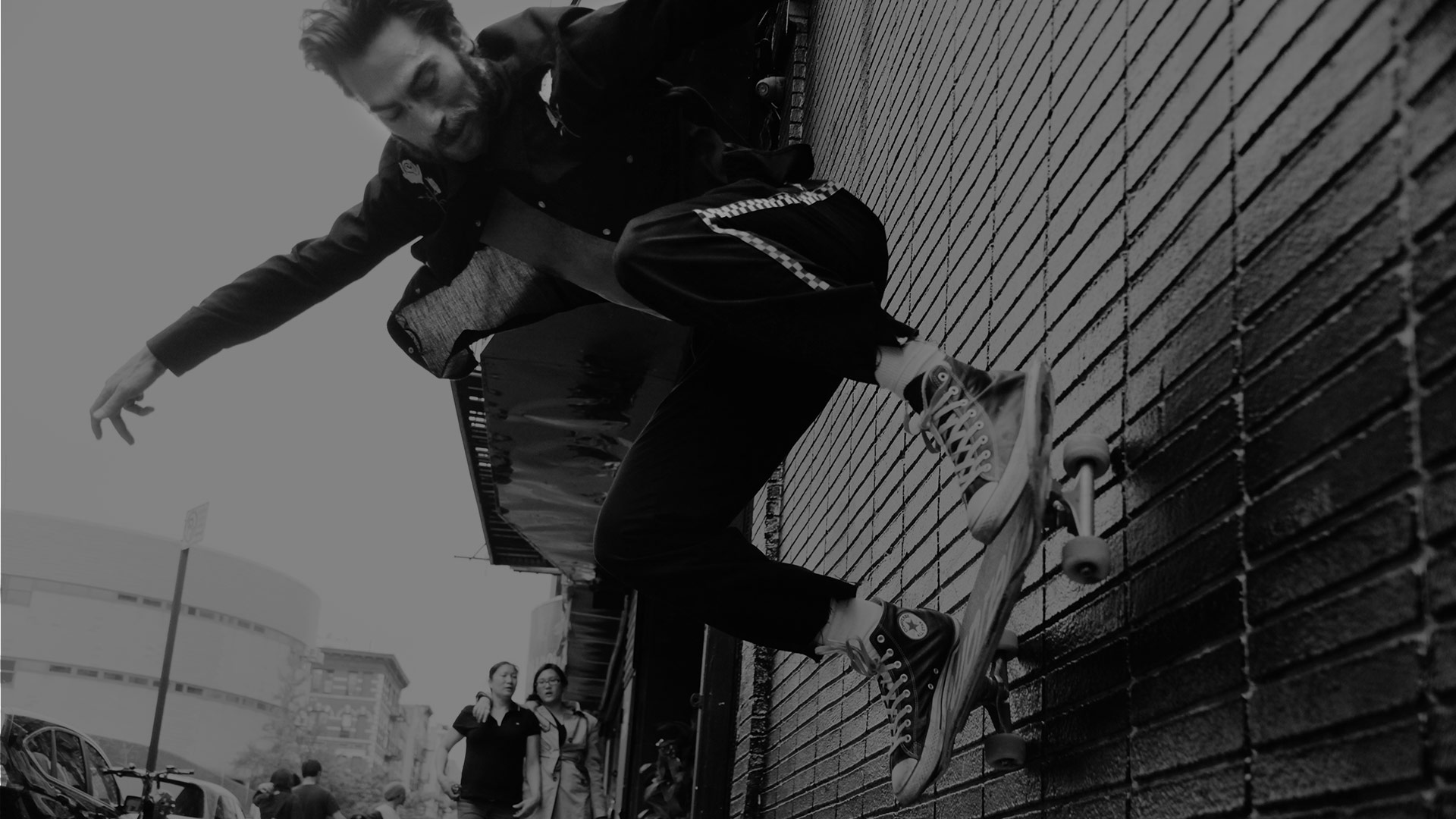
Eli Reed is a professional skateboarder who has as much to offer when he’s off his skateboard as he does when he’s on it. He has become a fixture in the Downtown New York Art, Fashion and Skateboard scene and is also currently spending more time in Los Angeles, taking classes to pursue a new passion: Acting. I met up with him at a park in West Hollywood to conduct this interview” — Chad Muska

Where are you from and where did you grow up?

I was born in Boston, Massachusetts and grew up in Cambridge, Lexington (Where I started Skateboarding) then back to East Boston in my early teens. I eventually moved to New York City.

How did you start Skateboarding?

Some kids in the neighborhood were doing it and my big brother had a skateboard that he got from Maximus (Skateshop in Massachusetts). It was the 90’s and the skateboards were shaped different than they are now. I’ll never forget that— my brother had to draw the shape of the board— to show a street board, not an old school 80’s board—for our mom to get. Skateboarding was just one of those things that picks you. They say when you love something it picks you. So by the time I was eleven or twelve I started to see some magazines and skateboarding videos, and I just knew this is what I wanted to do: I wanted to be pro.

Did you feel you had to go to New York to make it as a professional Skateboarder?

Actually, California was where I wanted to go. When I was twelve years old I won a Vans Warped Tour contest and it automatically qualified me for the next round and they flew me and my mother out to California. She was really excited because she had never been there before. We both started to see that I could do something more with skateboarding, and that there was a chance to make a living at it. I got to see a bunch of pros that I looked up to, like Andrew Reynolds, Ed Templeton and others. I wanted to stay forever, but we had to go back to Boston.

How did you get your big break?

It was a slow start for me. I was a late bloomer. I didn’t turn pro until I was 23. Most of my friends were turning pro around 18 or 19. I was sponsored by my friend’s company in Boston. It was a smaller company and the industry would usually ignore smaller independent brands at that time, so if you wanted to make it as a Professional Skateboarder you had to get a major board sponsor. I eventually got hooked up with a Mountain Dew endorsement through Paul Rodriguez and shortly after that I joined the Zoo York skate team. That was when things really started to happen for me.

What has Skateboarding taught you?

Everything. We started with skateboarding as kids, planted that seed and watched the flower grow. Skateboarding has taught me about friendship, community, precision, strength and every quality that I have. The overall life lesson that I learned from skateboarding is to never give up. You are always going to fall down in life but you can get back up and keep going.

So I hear you’re working on a video project with Converse?

Yeah, been filming for that and also been working on a capsule collection that will drop with it.

What are your feelings on social media?

I’m not that into it, to be honest, I’m just not that type of person. I’ll be on Instagram and make skate edits and stuff on my iPhone because its easy and fun to share, but overall I’m not like a Facebook guy, I’m kind of an old school guy. I prefer face-to-face communication. Like, recently I became single and I have never been on a dating app or website like Tinder, or that other celebrity one. I just walked up to a girl I met recently— it was the day before Valentines Day, so I walked up to her and just asked her if she wanted to be my Valentine.

What do you think about the current interest in skateboarding from the high fashion world?

I think it was really going crazy about a year ago and now it’s slowed down a bit. It’s still there, but every brand out there wanted to have a skateboarder in their advertisements at one point. I ended up doing a Coach commercial and then a Tiffany’s watch commercial. I was just connecting with these brands through word of mouth on the streets, being a skateboarder in NYC. I think it can be executed so right—and amazing—but it has to have the right people doing it. There are a lot of ideas I have that I would like to bring to some major brands.

You also have had a clothing line, self-titled ‘Eli Reed,’ that you designed and ran for the last five years. Tell us where you are at with that now.

I slowed down working on the brand a few moths ago to focus on skateboarding more, and some other projects. I’m not 100% done with it, but I needed a change. I’m still working as a brand though, doing collaborations with other brands like Rochambaue. We are creating some video installations and skate performance art pieces.

Yeah I saw that you walked in the Rochambaue fashion show?

Yeah those are my boys.

What does it mean to you to be an artist?

To wake up every day with an idea and a need to execute that idea. That doesn’t necessarily make you a good artist, but it makes you an artist.

What do you think about the night-life in New York?

It’s just changed so much… I started hanging out in the city when I was 16, underage, sneaking in bars and stuff. Then I came back when I was around 20 or 21, so the past ten years I’ve been in the mix. Its not that I don’t still like some places in Manhattan, but lately I have been hanging in Brooklyn where the people go out to actually dance and have a good time and let loose. I started to get back to listening to some Reggae and my friend took me to a party in Flatbush Brooklyn called Fire Sunday., and it is the illest party in New York!  Reggae dance hall Dj Bobby Konders from Hot 97 spins, and people just get so live! Now I go every Sunday and through that spot I started to discover a bunch of other places closer to my house in Brooklyn. Real Jamaicans and Caribbean people dancing, with their soul. I think just staying in Soho and the LES will kill you. New York is booming with life, there are so many cultures in different directions from Queens to Brooklyn and beyond. There is so much to discover.

Music you’re currently listening to?

Really into Dancehall right now, Vybz Kartel, Busy Signal. And if I’m chilling with my girl I like some Sade, and also been listening to some Leon Bridges.

Places to eat in New York?

I have a lot. That’s what I love to do: Eat! I have to throw Sant Ambroeus in there because they are family and that’s where I met Aleim. Then I have to mention Da Silvano even though they are closed. It was always my favorite. RIP! I was a Da Silvano guy but now I will have to go to Bar Pitti.

So I hear you have been sober for a while now. How is it going out in the scene and not drinking?

Yeah, I’m five years sober. In the beginning it was a little hard because, it’s funny, I was always very social when I drank but when I was out sober I had some social anxiety that I didn’t notice before. I think everybody has some sort of social anxiety and that’s part of the reason why people drink. Getting sober for me was the first step to self awareness. That’s why I like to go to places where things are happening and not just a bar where people are drinking.

What inspires you?

Always woman. As soon as I like, fall in love, boom, my energy is just like… Or if I am skating and see a beautiful girl I will land a trick right then. I am into signs, and Gemini are ruled by love. Women always spark my energy.

Any opinion on world views?

I’m not the best person to ask about this because I think that politics—and so much stuff—is bullshit, so its not that I’m ignorant, but I like to create my own bubble that I live in. I am such an American boy, raised in Boston, but I could see myself moving out of the country and retiring somewhere like Japan. There is an old saying that Politics create Hippies and Hippies create Politics.

So you are taking acting classes?

Yeah, I made the decision last year to heavily pursue acting and its kind of like skating. You have to practice and master the craft. I have done some small commercials and a pilot once, but that was before I started taking classes. I don’t think I will ever love anything as much as skateboarding, but acting has me really excited, like I was when I first started skating.

Now I’m ready to put myself out there. I am starting to learn raw theatre. It’s a whole different ball game. I feel you are not a real actor if you haven’t done theatre. I also feel that acting has already been a conduit to expand myself in different directions, because acting is limitless. To be a good actor you have to be able to be anything from a Tennis player to a Lawyer. I was working on a play, “Orpheus Decending,” and I had to play the guitar, so I learned it while playing the character.

Any other projects you want to mention before we wrap this up?

I have had this idea for a performance art skate piece. I think that skateboarding becomes an art because skateboarders are always conceptualizing something new that doesn’t exist. So I had this idea to invent a skateboard trick and set up cameras in a space and film the process of what goes into learning a trick. The project is called “The pleasure of failure” and it’s all about the process, and watching somebody fail thousands of times before landing the trick. I thought about it in two ways— either go into the space and stay there and lock yourself in there till you land it, and people have to bring you food and stuff, or go in for a few hours a day until you do it. It could take months or years but the idea that any one try could be the one you land is interesting. I was kind of inspired by Vito Acconci and his performance art. It’s all about the idea of falling down thousands of times and still getting up and keep going.

El Chocolatito

Román “Chocolatito” González embodies the paradox of a beautiful and punishing sport. 5’3”, 114 pounds, with a voice that purrs Spanish. Roaring predatory skill inside the ring. 47 wins. Two losses.

Once considered to be the world’s greatest pound-for-pound fighter, he suffered a controversial first defeat during an incredible March 2017 battle at Madison Square Garden and a subsequent crushing knockout loss to the same fighter six months later. Boxing pundits telegraphed his demise during the year-long hiatus to-follow. But with a clear head and a recent high-profile knockout win, he’s back chasing another championship belt.

When we met, Román brandished his fist only for a friendly bump over our mutual love of futbol — the one sport he admits to enjoying besides the “sweet science” that defines him. He followed his father Luis into boxing, turning pro at 18, to fight his way out of the proverbial corner and pull his family from poverty. At age 31, Román has done that successfully. 39 knockouts have earned him championships in four different weight classes through the years, and he joined his late mentor and former trainer, Alexis Arguello as one of only two Nicaraguans to hold belts in at least three weight classes.  

Luis, whose nickname “Chocolate” birthed the derivative, sweet moniker of his son, leads his training team. Arnulfo Obando, his previous trainer passed away at age 53, just months before the Costa Rica pre-fight training camp that preceded his first loss (“very difficult” Román admits).

Training camps are a long-standing tradition in the sport, giving fighters an opportunity to retreat from the spotlight’s distractions, sharpen skills, and nurture spiritual well-being. The latter is particularly relevant for Román, who believes strongly in himself, but often speaks of his reliance on a higher power.

“First and foremost, God is where I go to get that strength,” he said when asked about his pre-fight mindset.

Speaking to Román about preparation also highlights some unique intricacies of the boxer’s mentality. Athletes in most other sports compete nearly daily or weekly. A bad day yields a loss, but also an immediate opportunity to get back on the field to address and correct it. Kobe Bryant once famously left Staples Center after a season-ending litany of misfires and went directly to  Palisades Charter’s gym to shoot jump shots all night.

But in professional boxing, there is extensive preparation, followed by a singular massive crescendo and a long period of rest. Fighters hope to heal and then wait for another opponent — another payday. The do-or-die rawness of this “all-in” scenario is equally frightening and fascinating.

On the day before a bout, I asked him about this: How do you calm yourself down? Do you feel at peace today?  

“What helps me to regroup is knowing that I’ve trained,” he responded. “I feel calm because I feel I’ve put in the work.”

Despite the pressure of fighting in front of massive crowds and chasing the sport’s giants, he does genuinely exude this tranquility. Román steps into a ring in peak condition, knowing his capabilities and prepared to fight for the pride of his mentors, family, and country. The actions he takes are in his capable gloved hands. The results are in God’s.

Román also tells me about the moments in the arena tunnel before he fights — where privacy and quiet prevail one final time before he’s met with a deafening wall of spectator noise on the way to the ring.

“You’ve gotten where you wanted,” is the message he relays to himself. “The fight that you’ve been thinking about is here, so go and get it.”

There is a directness in his answers, revealing the simplicity of his approach. His Instagram feed (@chocolatito87) bears the charming smile of a champion, but Román doesn’t rely on the requisite maxed-out bravado of the typical pro-fighter-cum-showman. He says he prefers to respect the other fighter and the sport, setting a good example for the kids that follow him. It makes sense coming from a once-shy, impoverished kid, who found empowerment in his own furious hands.

In the aforementioned first upset loss, Román was undone by a nasty, penalized hit which yielded a gushing cut above his eye, impairing his vision increasingly throughout the fight. Despite all of his preparation, landing 150+ more punches than his opponent and winning the fight by most accounts, the night wasn’t his. Neither, any longer, are the belt and flawless record. But his September 2018 comeback win was as fast and sweet as the losses were brutal. He wants to ride that victory momentum and be back in the ring soon.

In reflecting on his career, Román once told me that he never imagined he would be where he is now, but all the praise and accolades are just bigger motivation to keep going. He says he’s carrying on his late trainer’s legacy of discipline — sticking with it. His challenges serve as new motivation to keep his faith and move forward.  Photos showcasing the humble grin and sweat of a man feeling blessed once again flood his social media feeds. Light on talk but born for the fight, Román “Chocolatito” González is ready once again to run out into that rising roar of sound, those flashing lights on the other end of the tunnel.

Christina Seilern

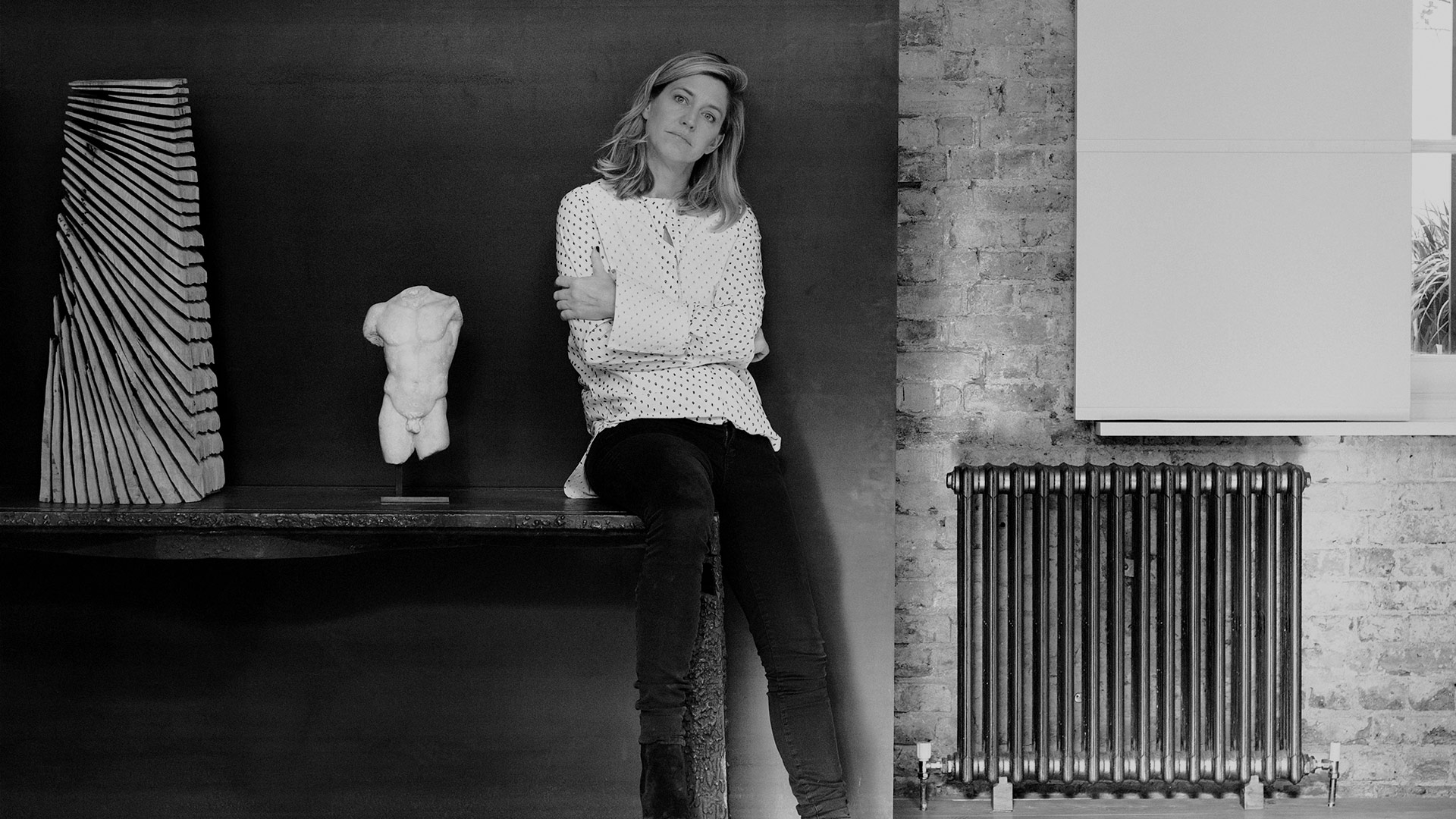
For some artists, there’s greatness in accommodation, in being a chameleon, not an auteur. Architect Christina Seilern is concerned neither with a pre-conceived aesthetic nor producing “radical” architecture. Rather, she aims to build what she calls “good architecture”, which reaches to the essence of the problem and adapts to the specificities of different locations, cultures and patrons. In this way, every project becomes a moment of discovery, where an idea is allowed to mature and to take its own path. Seilern has an international background and launched her own flourishing practice in London ten years ago, tackling a wide array of projects in various countries. She has built private residences, restaurants, theaters and mixed-used complexes in extremely different sites, ranging from mountain slopes to the African wilderness through historical cities, successful thanks to a flexible approach.

Can you tell us something about the path that led to where you stand professionally?

I was born in Switzerland. I lived there till I was eighteen. I went to America to study science. In Boston the shift of scale was awe-inspiring and I decided to give architecture a try. My very first class was the beginning of my architectural love.

I was at Wellesley and MIT for four years as an undergraduate, then I spent one year in Paris. It was during the recession in 1992. There were no jobs in architecture. I was in banking and realized it wasn’t for me. I went to Columbia University to do a master’s degree.

During my studies at Columbia I went to a lecture held by [architect] Rafael Vinaly. Although it was the period when deconstruction was fashionable, he talked about the Tokyo forum and in particular about one detail. I was struck by his love of craftsmanship. I worked for him in New York. A few years later I went to see him to tell him that I was going to leave my job because I wanted to move to London. Rafael’s reaction was: “let’s set up an office in London”.

That sounds amazing, was it not unusual for somebody as young as you were at the time to receive a proposal like that?

I was twenty-nine, which, in architecture, is like being in kindergarten. But Rafael is very impulsive.  We worked very well together. He had always wanted to set up something in Europe. It was completely unplanned. I was at a very early stage, and I did not know anyone in London. Something like what Rafael asked me to do forces you to go beyond what you expect you can do.

It must have been quite a challenge…

Yes, it was. Luckily two weeks after I accepted Rafael’s offer he got a job in Europe.  It was serendipity, everything fell together. Yet we still had to break a market: London is a village in terms of its architectural community. We pitched for a performing arts center in Leicester. The only way to present ourselves was to come forth as the odd ones out. We argued that all the architectural firms involved in the competition could manage a project, but what distinguished us was how we responded to the client’s brief. We made it.

Was leaving a large practice to set up your own studio yet another challenge?

People thought I should do interior design. At first it was difficult to get projects and to hire staff. It took us some time, but now we are getting interesting projects and excellent people apply to work here. It feels like we are breaking into the larger projects. We have been approached by the developer of a Swiss ski resort. We are doing two restaurants for him. Now we have also been asked to conceive a concert hall for the same resort.

I suppose your breakthrough assignment was the house in East Africa for which you received various prizes, including a RIBA award?

Yes, it was a great opportunity. The client had ambition. He wanted to make a mark in the country where he was building his home, he wanted to show he was there to stay, he wanted to give the locals a sense of stability. It was not just about getting a nice house. He asked: “how can we make a piece of architecture?”. In order to do very good architecture you need to have the client on your side.

This African house has been compared to Frank Lloyd Wright’s  Fallingwater…

I never thought of this till I read about it. It all started with the location: a rock, breath-taking views and a dam below with reflections. The cantilivered roofs were conceived to create a space to live outside being protected from the sun. They also frame the views and take your eye out to the horizon. We aimed at creating a floating structure, embodying the notion of unstable equilibrium, like a dancer on her toes, to convey the idea of lightness. It was the opposite of [Norman] Foster expressing structure. We wanted to make the building light and hovering. It happens through various details: for instance one can’t tell how the roofs sit on the ground, we hid columns. The winter living areas at the upper level are set within transparent enclosures that underscore the sense of living immersed in the surrounding landscape. A small infinity pool creates a visual link between the dam reservoir and the lower levels of the house.

Which other projects have been propelling your reputation?

One important project that we have been working on for the last eight years is in Lithuania. We are dealing with a large historical complex. It was a palace, a monastery, then a hospital in Soviet times. After the break-up of the Soviet Union the building was abandoned. Three brothers moved there in the 1990s, established a successful business and purchased the site to redevelop it. The planning system was very young in Lithuania, a politically young country. This proved to be a great opportunity.

We set about to learn about the existing planning regulations and were then able to discuss them with the local authorities, who were willing to question them and to adapt them to suit our projects. We convinced them that we had to do new structures for the lifts, that one did not want to mimic the Baroque style of the historical complex, because it would kill the composition. We viewed our additions not as extensions, but as carefully balanced insertions, evoking rather than replicating the historical fabric. We proposed reflective structures, with these additions clad in highly polished stainless steel. The new buildings blend into their surroundings through this reflective quality.

Another concern was the requirement to insert skylights in the tiled roofs. These openings would kill the Baroque look. So we built a metal lattice that appears like a red solid roof: from the outside the original Baroque composition remains intact. The planners found this a radical idea and asked to see a mock-up. Persuading them was a great victory.

Now we are building a new auditorium for Wellington College in the English countryside. We aimed to build a bridge between the college and the landscape behind. Wellington has a historical campus with listed Victorian buildings. We chose a round structure, constantly receding into its landscape, which therefore is not imposing. Moreover, if you think of round arenas, it is about the community, about connecting audiences. The walls are made of charred wood, an eco-friendly material based on a completely natural process. It also has the aesthetic advantage of giving the impression that the building arises out of the surrounding woods. Attached to the auditorium we placed a space filled with natural light that will serve as a “cultural living room”.

Your practice is currently working on a variety of projects, it also has a management side, how do you keep on top of everything?

I have a managing director and a senior architect who understands how to supervise project architects. This allows me to concentrate on the design and on how we think about architecture. I have written a book and I am giving lectures in order to convey this thinking.

Thank you very much for this interview. It was exciting to hear about your professional path and about your creations: as you state in the introduction to the book that celebrates the first ten years of your studio, these are truly buildings with a soul, rooted as they are in the contexts that they inhabit.

Nadège Vanhée-Cybulski

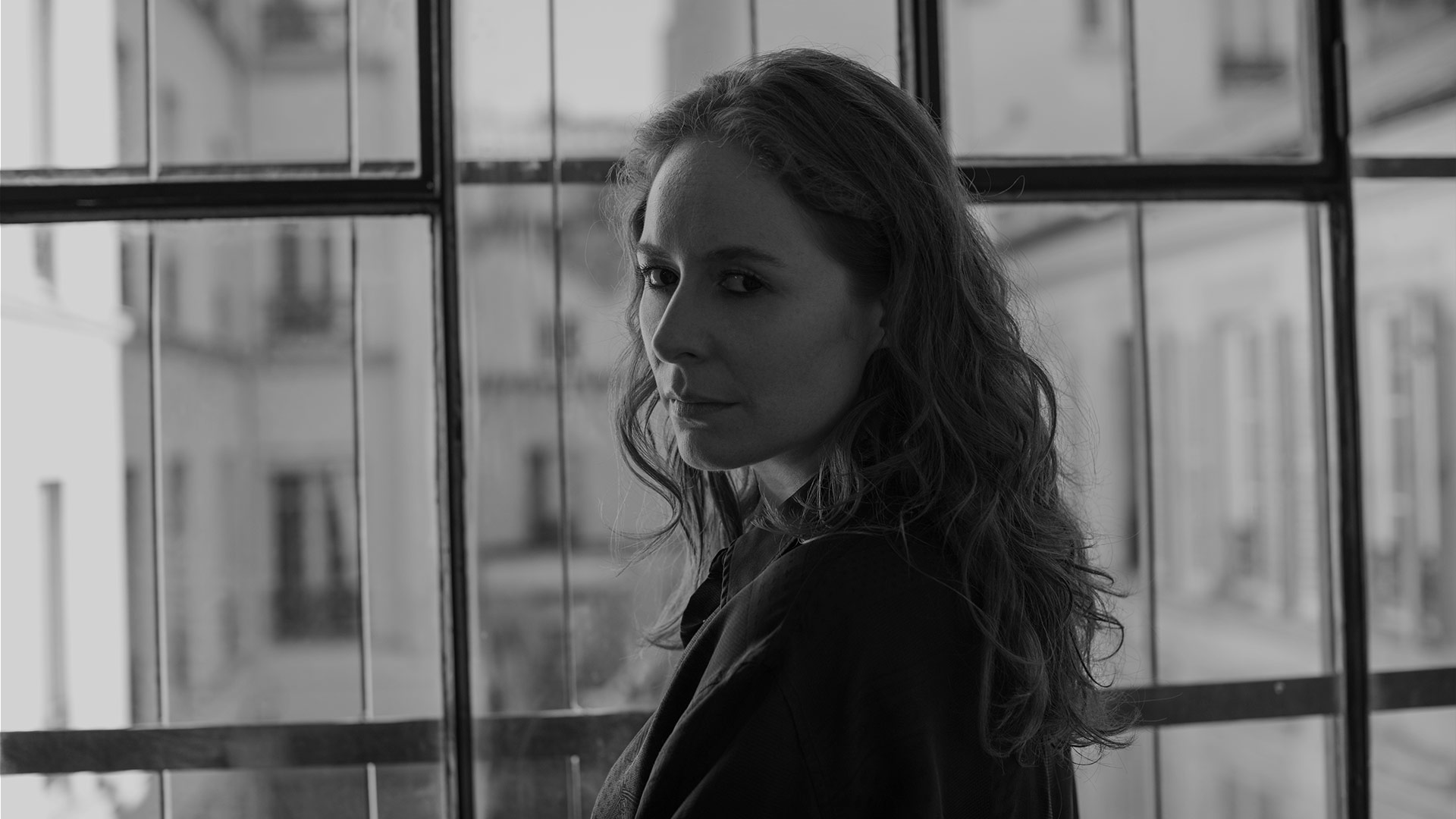
Nadège Vanhée-Cybulski wore no make-up and is incredibly demure and down-to-earth in conversation, so after meeting her five years ago at Café Select in New York City it surprised us to learn that she worked in fashion as a design director for some fine blue-chip brands: Celine, The Row and for Martin Margiela. After her initial meeting with Aleim, Nadège stayed in touch, but suddenly she disappeared and left New York. We heard she moved back to Paris, but in typical Nadège fashion, she did not email-blast her latest achievements nor did she send contact details from her new job account. It wasn’t until Aleim happened to run into her a couple of years ago in London at Frieze that we learned she had ascended to a position of tastemaking-god status, as the creative director of Hermès— the world’s top luxury brand.

This rise to power, and the graceful way she wears it makes her an extremely intriguing character in today’s fashion world, which seems at all times to be burgeoning with big spotlight-grabbing personalities. It turns out that Nadège was born and raised in Lille, a cultural hub in northern France bordering Belgium. She describes herself as Flemish, and she studied fashion at the renowned Royal Academy of Fine Arts in Antwerp, whose talented alumni include Margiela and Raf Simons.

The Antwerp Academy views fashion as an expression of the emotions of our times. Clothing reflects society or, adversely, questions it. Fashion people are not a self-absorbed clique, but committed artists who examine prevailing concepts of ethics and aesthetics, and take a stand on matters of aggression, rejection, denial, and helplessness. This philosophy was the backdrop for Nadège’s education as she formed her design ideology and made the first moves to define her talent.

As evidenced by the high turnover of key personnel in fashion, along with the lawsuits, racially insensitive design tropes and constant insider buzz around interpersonal drama, top leadership in powerhouse brands can be high-pressure, and a successful tenure is often ephemeral. In this landscape, Hermès makes efforts to maintain stability and keep the focus on the quality of its collections. Its creative directors are still considered to be parts of a team rather than celebrity guest-stars, a perfect fit for Nadège, with her refined mystique. She recently told T Magazine “We never talk about luxury inside Hermes. We talk about intelligence” Nadege was kind enough to open up and share her thoughts in the following interview.

Can you tell us about your professional path?

I have always been drawn to aesthetics and somehow this interest has focused onto fashion. I discovered at an early age a fascination for couturiers, suits, the craft of tailoring, textiles…I was always intrigued (and still am) by how and why men and women manifest through clothes their individuality, their beauty.

What was the biggest learning curve of your job at Hermès and how did you deal with it?

The house has an international reputation; as a consequence the spectrum of the public is quite diverse in terms of taste and desires. That was for me the biggest challenge, a broader projection than I had from my previous jobs: understanding and relating to different cultures, habits, reflexes. I had to answers riddles in terms of fits and materials. The good thing is that everyone will acknowledge the quality and expertise that emanates from each Hermès object. This was definitely a beacon for my work. And through this lens I could translate my vision, being faithful to my values and enriching it.

Do you have a daily creative practice?

Yes, it’s actually inherent to my metabolism! I spend most days of the week at the studio. There’s not one day similar to the next. Researching, studying the archives, developing fabrics, fittings, composing silhouettes or projecting concepts for future collections. The creative process is fluid and constant.

Do you have a specific design philosophy?

One of my pillars in design is the maxim of the Bauhaus: “the object should be at once beautiful and functional, practical, balanced in the choice of colors as well as the material.” As a fashion designer, I absolutely relate to this. I also search for the challenge, avoiding the obvious stereotype of the classic silhouette.

How do you come up with your ideas for a collection?

It’s layered. I have ideas that are leitmotifs: the concept of a neo-classic silhouette, the equestrian roots, the Hermès totems (the blanket and the bag locks for instance); they are perennial ideas. Then an intuitive approach comes and juggles theses axes. It’s a projection of women’s feelings and needs; a visual narration takes form from my readings, art works, conversations, sketches or drapes.

Your design practice consists of working on a variety of collections, it also has a management side, how do you keep on top of everything?

I sincerely enjoy working in a team. I have the chance to have experts around me; it would be a pity to spoil this opportunity. We are very close with the studio team and work on different projects and deadlines and therefore it’s very organized. There is a moment where I compose the concept alone but rapidly I like to test its boundaries and have it evolve collaboratively.

Has your minimalist aesthetic changed from your days at Celine and Margiela now that you are in your fourth year at Hermès?

The aesthetic has evolved. When you are designing for a heritage brand the focus is about evolution. The house of Hermès doesn’t need a reboot; it’s solid, nourishing its roots by a perpetual innovation. To be clear, I am more of a purist: searching for genuine material and creation, defining a sharp and precise silhouette with refinement and elegance but always with a relaxed attitude. With Hermès, you can’t be minimalist; you have to, of course, be thoughtful but generosity is crucial.

How has working for Hermès differed from all the other design houses that you worked for?

I would say the dimension of the desirability.

What other art forms do you enjoy? Is there one in particular that inspires your work?

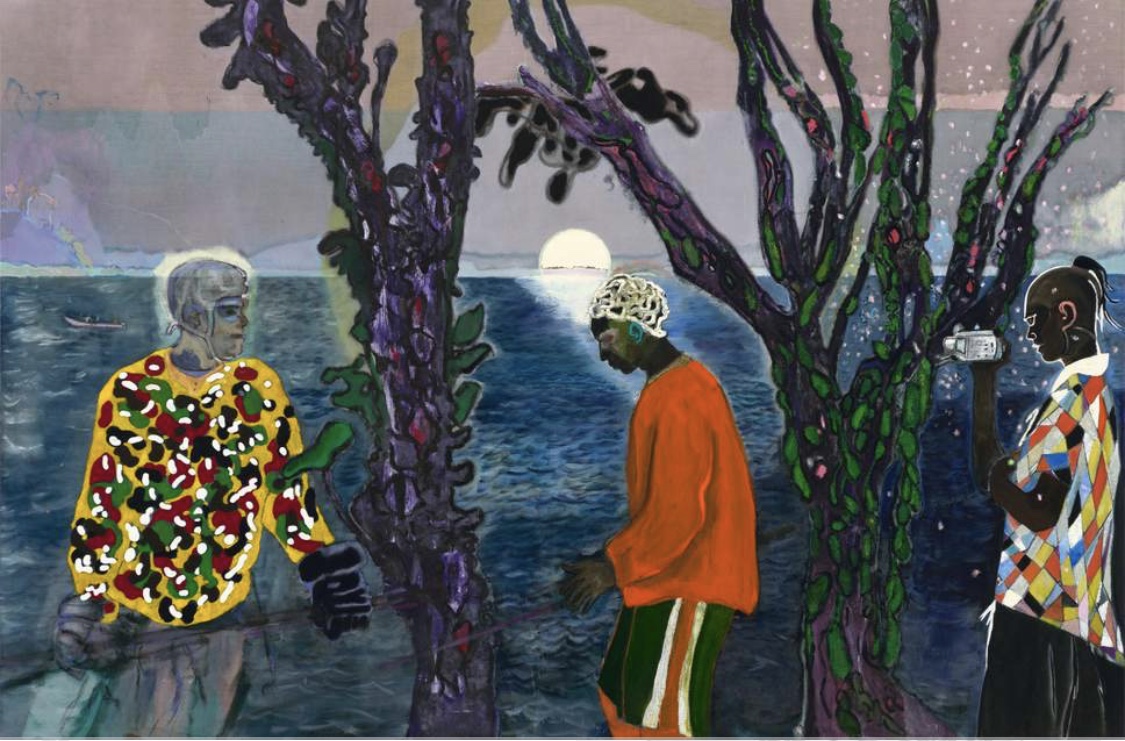
There are a few art forms that inspire me. I love to cross reference different mediums: paintings with literature, art essays. The paintings of Peter Doig resonate deeply when I think of sensations and colors.

Peter Doig oil on canvas “Two Trees” 2017

Who are your influences in general?

I hold a special admiration for the Artists Josef Albers and Anni Albers. Their life as a couple and also Josef’s influences at the Black Mountain College: educating the soul through different artistic practices.

An Anni Albers rug from 1959.
Josef Albers ‘Study for Homage to the Square’, 1964

You lived in New York City for many years, do you miss it?  If yes, what do you miss about it?

The idea that everything is possible… you just have to roll up your sleeves and do it!

What is a quiet day in Paris like for you? What do you do when you are not working and where do you go?

A simple ritual: the farmers market.

Jesse Williams

For artist and activist Jesse Williams, Black Arts Matter. Hailing from an creative Chicago family—a painter mother and two brothers who are also artists—it was inevitable that Williams would pursue his own performance career with an eye toward being inclusive and supporting others in creative pursuits. Likewise, growing up in a household in which activism was always a part of his parents’ lives, particularly as it related to the lives of “black and brown folks,” Williams was bound to integrate his talents with his sense of citizenship and responsibility.

Having been politically active throughout high school and college, in his mid twenties Williams found himself pulled into acting through his love of history (which he once taught) and storytelling. “Between cultural competency and historical reality, the narrative of storytelling is our daily lens by which we interpret the world,” he reflects.

After moving to Los Angeles to pursue his acting career, Williams is going into his ninth year on Shonda Rhimes’ ABC series Grey’s Anatomy—he was interviewed about collecting art by Afrofuturists such as Shinique Smith and Iona Rozeal Brown. “Early on, I made a point to big up other black creatives,” he explains. That interview led him to contemporary artist Hank Willis Thomas, who invited him to collaborate on the critically acclaimed interactive project Question Bridge, which focuses on black male identity in America. “[Hank’s mother Dr. Deborah Willis] shared that interview with him,” Williams recalls. “I really connected with Hank’s work, and we hit it off immediately.”

Once Williams discovered what he calls the “real, awesome power” of his platform, he realized he could make a greater contribution by using his fame in the right way. “It never was important whether [my activism] was accepted,” he explains. “My identity was well established, and acting wasn’t something I cared about that much.” However, once Williams integrated his interests, he discovered his métier. “I’m excited that my career is just beginning, about what’s next in the film space. And directing,” he shares. It has just been announced that he will make his feature directorial debut with Till, a film about the aftermath of the Emmet Till lynching in the Jim Crow-era South. “I’m also excited to take the helm in storytelling and to wear the producer hat,” he says. He’s sold a show to Amazon, and he’s a producer on Till, along with Whoopi Goldberg (who will also star), Frederick Zollo, Barbara Broccoli, Thomas Levine, Leah Natasha Thomas, and civil rights filmmaker Keith A. Beauchamp.

As a millennial who fundamentally understands the importance of connecting with his audience, Williams first came to social media somewhat reluctantly through a Myspace page that, “like, 16 people visited,” he recalls. “I came late to Twitter, and I really didn’t get the point until it was described to me as being like a group text to the people you know and follow. I started small [because I] wanted to view it as a place to do what you don’t get to do elsewhere, to show my comedic side,” he reveals. “But because I’m an inherently political person and people are worried about how you get your next paycheck, I’m consistently one step away from deleting all social media.” Having such a high profile also has a more serious downside. “I’ve gotten death threats, handwritten notes, things delivered to my home, where my family lives. Luckily we’re no worse for the wear. I’ve always gotten cyber harassment, but when it comes in person it’s a little bit different.”

As with his activism, Williams soon realized that the ability to make direct connections and to effect change was much greater than the opportunity to crack some jokes. “What keeps you on there is viewing other people—Black people are so creative! Tumblr in particular makes me happy. They’re so fast, [always] figuring out ways we can embrace and utilize it, realizing all this black creativity and expression. With black artists trying to stay sane and employable, [when it’s] hard to get one job—never mind consistent gigs—there are increasingly more opportunities. In this generation of 20 to 40 year olds, there are a number who are participating in social movements, using their voices with increased levels of exposure.”

Such constant exposure comes with an unexpected, more philosophical cost. Before social media, Williams reflects, “it was much easier for folks to look noble and regal in, say, a couple of black & white news photos. Now, with everybody fully [and constantly] exposed, a photo walking into the White House with Congresswoman Maxine Waters might not paint as sweeping a picture. Folks don’t want to romanticize and imagine the conversations anymore. They want to hear ‘em.”

Indeed, in this dire political moment, Williams’ glass is encouragingly half full. “I feel really wonderful and optimistic about the creative culture in this country and the world. People who are marginalized are creating a tremendous quality of work in TV, film, writing, particularly in black expression, finding their own voices, what matters. It’s going to last a lot longer.”

As with his electrifying, galvanizing speech when accepting the Humanitarian Award in 2016 at the BET Awards, Williams doesn’t mince words, and he does not shy away from taking a political viewpoint that posits the arts—and the audience—as catalysts for change. “Now you’ve got attention—what are you going to do? What this has done is woken up the somehow otherwise sleeping segments to mobilize, to get out and participate,” Williams continues. “Once you become awake you can make a difference.”